







Imagine you’re at a concert, and the band suddenly turns up the volume, nearly blowing out your eardrums. No thanks. Fortunately, audio normalization software is here to save the day by ensuring your sound levels are consistently pleasant. Do you want to avoid those jarring sound spikes in your mixes? This software does the heavy lifting, balancing all your audio peaks and troughs. In this text, we’ll explore the ins and outs of audio normalization, types, features, and the top software options available that keep your music crisp and clear. Ready to elevate your audio experience? Let’s immerse.
Understanding Audio Normalization
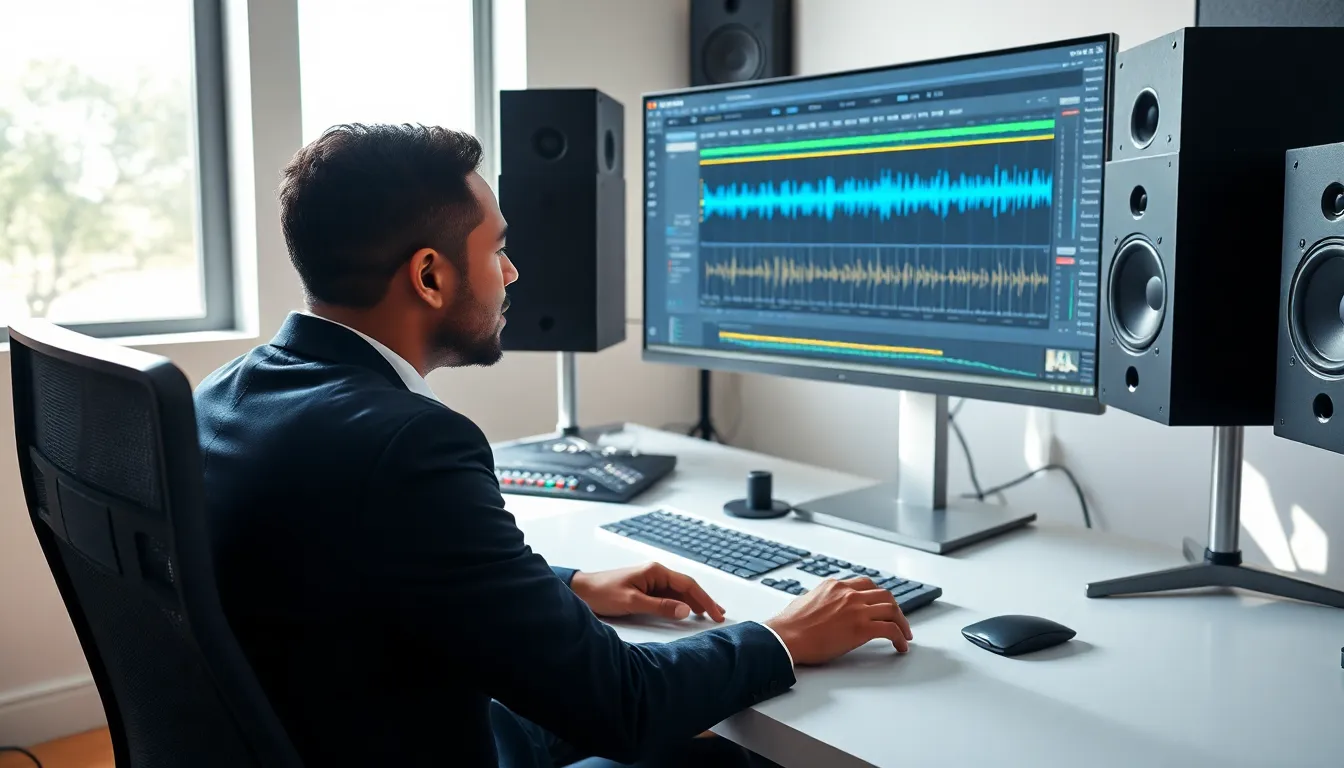
Audio normalization refers to the process of adjusting the overall level of an audio signal. The goal? Making sure that the sound is loud enough without distorting or clipping. Host of technical terms might come into play, like peak normalization, which boosts the audio level until it hits a specified peak (usually 0 dB). Then there’s loudness normalization, which targets the perceptual loudness of audio, a bit like adjusting the brightness of a screen based on ambient light.
Understanding audio normalization is essential for anyone involved in mixing, mastering, or simply enjoying music. It allows audio engineers to create a cohesive sound experience that pleases listeners’ ears. Also, you wouldn’t want your soft ballad followed by an overwhelming rock anthem, right? That’s precisely where audio normalization comes into play, smoothing out the audio journey.
Types of Audio Normalization
There are primarily two types of audio normalization: peak normalization and loudness normalization.
Peak Normalization
Peak normalization ensures that the highest amplitude reaches a predetermined level, usually 0 dB. It’s straightforward and effective, making it perfect for avoiding distortion across various digital platforms. Artists often lean on this approach for ensuring their tracks don’t hit the digital ceiling.
Loudness Normalization
On the other hand, loudness normalization looks at perceived loudness rather than just sound levels. This enables tracks to maintain a consistent volume when played back across different playback systems and environments. Streaming platforms like Spotify and YouTube commonly use loudness normalization to provide a uniform listening experience, so you’re not fiddling with volume buttons after each track. Each method has distinct advantages depending on the context in which you’re working.
Key Features of Audio Normalization Software
When it comes to audio normalization software, several key features make life easier for audio engineers and musicians alike.
User Interface
A clean, intuitive user interface allows users to perform normalization with ease. You wouldn’t want to fight through a complicated menu just to adjust sound levels.
Batch Processing
The ability to normalize multiple files at once is a game-changer, saving precious time. Batch processing means no more clicking through each track individually: you can instead get it all done in one go.
Compatibility
Compatibility with various music formats is crucial. The software should support various audio file types (WAV, MP3, etc.) without compromising quality.
Advanced Algorithms
Look for advanced normalization algorithms that can analyze and adjust audio levels efficiently. Quality matters, and superior algorithms will yield better results in less time.
Export Options
Having versatile export options allows for greater flexibility in how you use your normalized tracks, whether for streaming or professional distribution.
Top Audio Normalization Software Options
Several audio normalization software options stand out in the crowded market, each offering unique features to suit different needs.
- iZotope Ozone
A favorite among professionals, Ozone provides advanced normalization and mastering solutions, giving audio engineers all the tools they need for pristine sound.
2. Auphonic
Designed particularly for podcasters, Auphonic automates audio processing and loudness normalization, making it the ideal choice for non-techy users.
3. Audacity
This free, open-source software allows users to normalize audio easily. It’s user-friendly and versatile, perfect for beginners and seasoned pros alike.
4. Waves WLM Plus
Offering loudness meter features, this software helps in achieving desired loudness levels, ideal for broadcast professionals.
Case Studies and User Experiences
Real-world experiences often shed light on how effective audio normalization software can be.
Case Study 1: Indie Artist Success
A local indie band used iZotope Ozone to optimize their recordings before releasing their debut album. By applying peak normalization, they ensured that their tracks stood out on streaming services, garnering attention for their polished sound.
Case Study 2: Podcasting Revolution
A seasoned podcaster turned to Auphonic to enhance audio quality in recordings. The software’s automation helped remove background noise and balance sound levels, leading to better listener retention and rave reviews on platforms.
Choosing the Right Audio Normalization Software
Selecting the ideal audio normalization software hinges on several factors: your budget, the complexity of your projects, and specific needs. Beginners might prefer user-friendly options like Audacity, while seasoned professionals might lean towards advanced platforms like iZotope Ozone.
Evaluate the features, and be sure to test out any trial versions. A good match should increase efficiency and improve the quality of your final audio output.