






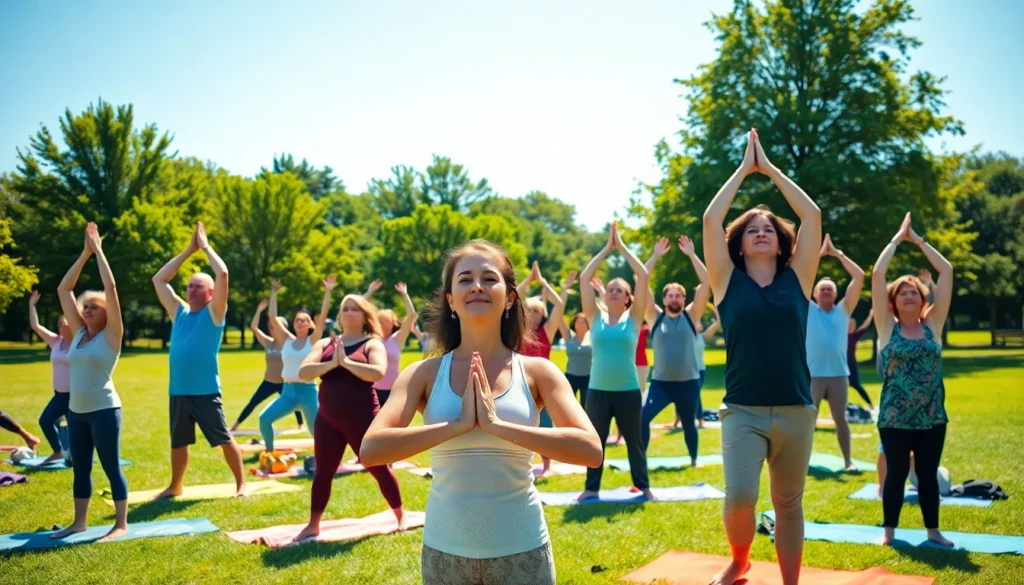
In today’s fast-paced world, achieving balanced wellness is more crucial than ever. It’s not just about physical health; true wellness encompasses mental, emotional, and social well-being too. As people juggle work, relationships, and personal goals, finding harmony across these areas can feel overwhelming.
Balanced wellness promotes a holistic approach, encouraging individuals to nurture every aspect of their lives. By prioritizing self-care and making conscious lifestyle choices, they can foster resilience and improve overall quality of life. This article explores practical strategies and insights to help anyone embark on their journey toward balanced wellness, creating a fulfilling and vibrant existence.
Understanding Balanced Wellness
Balanced wellness encompasses a holistic approach to health, integrating physical, mental, emotional, and social well-being. Achieving harmony among these dimensions enhances overall quality of life and resilience.
Definition of Balanced Wellness
Balanced wellness refers to a state where an individual’s physical health aligns with mental and emotional well-being, supported by strong social connections. It involves effectively managing stress, maintaining physical fitness, fostering emotional intelligence, and building supportive relationships. Characteristics of balanced wellness include:
- Physical Fitness: Regular exercise and a nutritious diet contribute to bodily health.
- Mental Health: Cognitive wellness includes managing thoughts, emotions, and stress.
- Emotional Resilience: The ability to cope with life’s challenges fosters emotional strength.
- Social Connectivity: Positive relationships with friends, family, and community enhance support systems.
Importance of Balanced Wellness
Balanced wellness is vital in promoting a fulfilling life. It impacts various aspects of daily existence, such as:
- Improved Health Outcomes: Individuals enjoy better physical health and lower risks of chronic diseases.
- Enhanced Mental Clarity: Balanced mental health leads to improved focus, creativity, and decision-making.
- Emotional Stability: A harmonious emotional state reduces anxiety and depression.
- Stronger Relationships: Social connections contribute to emotional support and well-being.
Prioritizing balanced wellness allows individuals to thrive amid life’s challenges, leading to a more vibrant and meaningful existence.
Components of Balanced Wellness

Balanced wellness consists of several key components that work together to promote overall well-being. Each component contributes to a harmonious lifestyle, encouraging individuals to thrive across various aspects of life.
Physical Wellness
Physical wellness involves maintaining a healthy body through regular exercise, balanced nutrition, and adequate rest. Engaging in aerobic activities, strength training exercises, and sufficient hydration boosts energy levels and enhances bodily functions. Prioritizing annual medical check-ups ensures early detection of health issues, further supporting physical health.
Emotional Wellness
Emotional wellness includes recognizing, understanding, and managing emotions effectively. Practicing mindfulness techniques, such as meditation and journaling, fosters emotional resilience. Building coping strategies for stress affects how individuals respond to life’s challenges, strengthening emotional stability.
Social Wellness
Social wellness emphasizes cultivating healthy relationships and a strong support network. Engaging in community activities and maintaining connections with friends and family fosters a sense of belonging. Effective communication skills and conflict resolution strategies enhance interpersonal interactions, reinforcing social bonds.
Spiritual Wellness
Spiritual wellness involves exploring personal values, beliefs, and purpose. Practices like meditation, yoga, or spending time in nature promote inner peace and connection to a higher purpose. Seeking alignment with personal values supports overall harmony and satisfaction in life.
Intellectual Wellness
Intellectual wellness focuses on engaging with stimulating activities that promote lifelong learning. Reading, attending workshops, and participating in diverse conversations expand knowledge and critical thinking skills. Challenging the mind through puzzles or creative endeavors enhances cognitive health and contributes to a fulfilling lifestyle.
Benefits of Achieving Balanced Wellness
Achieving balanced wellness offers numerous benefits that contribute to an individual’s overall quality of life. These advantages encompass various aspects of well-being, including mental health, physical health, and social connections.
Improved Mental Health
Improved mental health results from practicing balanced wellness. Regular engagement in mindfulness activities, such as meditation and journaling, fosters emotional regulation and resilience. Individuals practicing balanced wellness experience reduced anxiety and lower levels of stress. According to the American Psychological Association, mindfulness practices significantly enhance mental clarity and emotional stability, leading to improved overall well-being.
Enhanced Physical Health
Enhanced physical health occurs through the integration of exercise, nutrition, and adequate rest. Maintaining a healthy lifestyle leads to weight management, improved cardiovascular health, and stronger immune function. The Centers for Disease Control and Prevention note that regular physical activity can reduce the risk of chronic diseases and improve longevity. Implementing a balanced wellness approach provides the body with essential nutrients, optimizing physical performance and energy levels.
Stronger Relationships
Stronger relationships thrive when individuals prioritize social wellness. Cultivating strong bonds through effective communication and community engagement enhances feelings of belonging and support. Research in the Journal of Health and Social Behavior indicates that strong social connections correlate with better mental health outcomes and increased life satisfaction. By focusing on balanced wellness, individuals develop deeper interpersonal relationships that enrich their lives and contribute to emotional stability.
Strategies for Promoting Balanced Wellness
Promoting balanced wellness requires a multifaceted approach. Implementing lifestyle modifications, practicing mindfulness, and setting achievable goals significantly enhance overall well-being.
Lifestyle Modifications
Lifestyle modifications play a crucial role in fostering balanced wellness. Implement the following changes for optimal results:
- Nutrition: Consume a balanced diet rich in fruits, vegetables, whole grains, and lean proteins. Limit processed foods and added sugars.
- Exercise: Engage in at least 150 minutes of moderate aerobic activity each week. Incorporate strength training exercises twice weekly.
- Sleep: Prioritize 7-9 hours of quality sleep per night. Establish a consistent bedtime routine to improve sleep quality.
- Hydration: Drink sufficient water throughout the day, targeting 8 cups (64 ounces) for optimal hydration.
- Tech Breaks: Take regular breaks from screens to reduce eye strain and mental fatigue. Aim for a 5-10 minute break every hour.
Mindfulness Practices
Mindfulness practices cultivate awareness and reduce stress. Consider these effective techniques:
- Meditation: Spend 10-20 minutes daily in meditation to promote relaxation and mental clarity.
- Deep Breathing: Practice deep breathing exercises for a few minutes each day to lower anxiety and enhance focus.
- Journaling: Write in a journal at least three times per week to process emotions and reflect on experiences.
- Nature Walks: Enjoy regular walks in nature. Connecting with the outdoors can boost mood and overall mental health.
- Mindful Eating: Focus on the experience of eating, savoring each bite to improve digestion and enjoyment of food.
Setting Achievable Goals
Setting achievable goals creates a roadmap to maintain balanced wellness. Follow these steps for effective goal-setting:
- Specific: Create clear, specific goals. For example, “I will walk 30 minutes three times a week.”
- Measurable: Ensure that each goal can be measured. Track progress to maintain motivation.
- Attainable: Set realistic goals based on personal abilities and lifestyle. Break larger goals into smaller, manageable steps.
- Relevant: Align goals with personal values and wellness objectives to maintain focus and commitment.
- Time-bound: Establish deadlines for each goal to promote accountability and timely progress.
Implementing these strategies fosters a holistic approach to balanced wellness, enhancing physical, emotional, and social well-being.
Achieving balanced wellness is essential for navigating the complexities of modern life. By integrating physical health with mental and emotional well-being individuals can create a fulfilling existence. The journey toward balanced wellness involves embracing holistic practices that nurture the body mind and spirit.
Prioritizing self-care and mindfulness not only enhances resilience but also fosters deeper connections with others. As individuals commit to this comprehensive approach they unlock the potential for improved health outcomes and enriched relationships. Ultimately balanced wellness serves as a foundation for a vibrant and meaningful life.