







Nature has a remarkable way of captivating the human spirit. From towering mountains to breathtaking waterfalls, the wonders of the natural world inspire awe and curiosity. Each corner of the Earth holds unique treasures waiting to be explored, reminding us of the beauty that exists beyond our urban landscapes.
These natural wonders not only showcase the planet’s incredible diversity but also highlight the importance of preserving these stunning environments. As they face threats from climate change and human activity, understanding and appreciating these sites becomes crucial. This journey into nature’s marvels invites readers to discover the extraordinary landscapes that shape our world and the stories they tell.
Overview of Nature Wonders
Nature wonders encompass remarkable landscapes, unique ecosystems, and extraordinary geological formations. These features include majestic mountain ranges, vibrant coral reefs, expansive deserts, and breathtaking waterfalls. Each natural wonder delivers a sense of inspiration and highlights the planet’s incredible diversity.
Mountains form towering peaks, showcasing scenic vistas and challenging terrains. The Himalayas, Rockies, and Andes present not only aesthetic beauty but also opportunities for adventure and exploration. Examples of iconic mountains include Mount Everest, the highest point on Earth, and Mount Kilimanjaro, known for its distinctive snow-capped summit.
Waterfalls represent stunning cascades, often surrounded by lush vegetation. Notable examples include Niagara Falls, renowned for its immense water flow, and Angel Falls in Venezuela, the world’s tallest uninterrupted waterfall. Each waterfall possesses a unique charm, attracting visitors with their natural power and serene ambiance.
Coral reefs, often referred to as the “rainforests of the sea,” support vast biodiversity. The Great Barrier Reef in Australia stands as the largest coral reef system, home to thousands of marine species. These reefs provide crucial habitats and are vital to ecological balance.
Deserts, such as the Sahara and the Mojave, display stark beauty with their vast stretches of sand and unique geological formations. They host specialized flora and fauna adapted to extreme conditions, showcasing nature’s resilience.
Preserving these nature wonders is essential in combating climate change and mitigating human impact. Each ecosystem plays a critical role in maintaining the planet’s health. Acknowledging their significance fosters appreciation and motivates conservation efforts.
Types of Nature Wonders
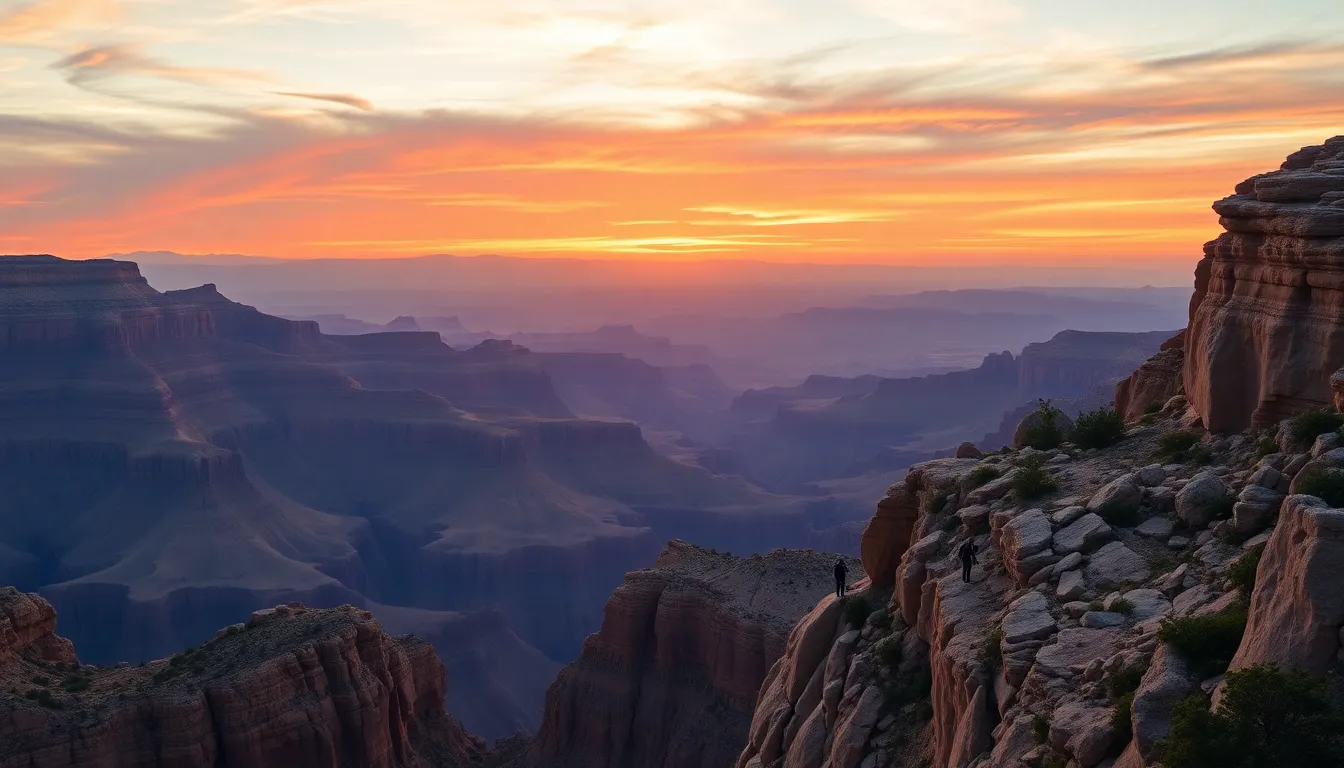
Nature encompasses various wonders, each unique in its own right. These wonders can be classified into geological, biological, and astronomical categories.
Geological Wonders
Geological wonders showcase the Earth’s incredible formations and processes. Notable examples include:
- Grand Canyon: A vast, colorful canyon carved by the Colorado River, revealing millions of years of geological history.
- Mount Everest: The world’s highest peak, part of the Himalayas, attracting climbers and adventurers year-round.
- Antelope Canyon: A slot canyon in Arizona known for its wave-like structure and vibrant light beams.
- Uluru: A massive sandstone monolith in Australia, sacred to Indigenous people and renowned for its striking color changes at sunrise and sunset.
Biological Wonders
Biological wonders represent Earth’s diverse ecosystems and unique species. Significant examples include:
- Amazon Rainforest: The largest tropical rainforest, hosting over 390 billion trees and numerous species, many of which remain undiscovered.
- Galápagos Islands: An archipelago home to diverse wildlife, pivotal in Charles Darwin’s theory of evolution.
- Great Barrier Reef: The world’s largest coral reef system, vital for marine biodiversity, encompassing over 400 species of coral and thousands of marine species.
- Yellowstone National Park: A geothermal wonderland with unique hot springs, geysers, and a rich variety of plant and animal life.
Astronomical Wonders
Astronomical wonders offer breathtaking views of celestial phenomena and cosmic structures. Key examples include:
- Northern Lights (Aurora Borealis): A natural light display in polar regions, caused by solar wind interacting with the Earth’s magnetic field.
- The Milky Way Galaxy: A spiral galaxy containing billions of stars, visible from Earth on clear nights.
- Mauna Kea Observatories: Located in Hawaii, these observatories provide some of the best stargazing conditions due to elevation and minimal light pollution.
- Eclipses: Solar and lunar eclipses occur when celestial bodies align, casting shadows and creating stunning visual effects.
Each category illustrates the remarkable diversity of nature’s wonders, encouraging exploration and fostering appreciation for the planet’s extraordinary beauty.
Famous Nature Wonders Around the World
Nature showcases unparalleled beauty through its wonders, each offering unique experiences and insights into Earth’s diversity. Below are some of the most famous natural wonders that captivate visitors globally.
Grand Canyon
Grand Canyon, located in Arizona, spans 277 miles and reaches depths of over a mile. Its vibrant rock layers reveal geological history dating back millions of years. The Colorado River flows within the canyon, providing opportunities for white-water rafting and other recreational activities. Visitors can enjoy panoramic views at several viewpoints, including the South Rim and North Rim. Designated as a UNESCO World Heritage Site, the Grand Canyon attracts about 6 million visitors annually, highlighting its significance as a natural landmark.
Great Barrier Reef
Great Barrier Reef, off the coast of Queensland, Australia, is the largest coral reef system globally, extending over 1,400 miles. Composed of more than 2,900 individual reefs and 900 islands, it supports an incredible diversity of marine life. Species include over 1,500 types of fish, 400 kinds of coral, and numerous sea turtles and marine mammals. As a UNESCO World Heritage Site, it faces threats from climate change and pollution. Tourists engage in activities such as snorkeling, diving, and boat tours, experiencing the vibrant underwater ecosystem firsthand.
Northern Lights
Northern Lights, also known as Aurora Borealis, occur in polar regions, providing stunning displays of natural light. These lights appear when charged particles from the sun collide with Earth’s atmosphere, resulting in vibrant colors like green, purple, and pink. Optimal viewing locations include Alaska, Canada, Norway, and Finland, especially during winter months. Phenomena can vary in intensity and duration, captivating observers with their unpredictable beauty. Nightly shows draw thousands of tourists, fostering interest in astronomy and environmental preservation.
The Importance of Preserving Nature Wonders
Preserving nature’s wonders plays a crucial role in maintaining ecological balance and promoting biodiversity. Natural wonders, such as coral reefs, rainforests, and mountain ranges, contribute to global ecosystems’ health. Their preservation safeguards habitats for countless species, ensuring their survival and the overall resilience of the environment.
Protecting these natural sites also aids in mitigating climate change. Ecosystems like forests act as carbon sinks, absorbing atmospheric carbon dioxide. By conserving these areas, humans reduce greenhouse gas emissions and enhance climate stability.
Additionally, preserving nature’s wonders fosters cultural and scientific significance. Many communities rely on these sites for their cultural identity, traditions, and livelihoods. The study of biological and geological phenomena at these locations enriches scientific knowledge and inspires future generations.
Promoting ecotourism supports local economies while enhancing awareness of environmental issues. Responsible tourism practices encourage conservation, providing financial incentives to protect nature’s wonders while enabling visitors to experience their beauty and significance firsthand.
Preserving nature’s wonders not only ensures the survival of diverse ecosystems but also supports climate change mitigation, cultural heritage, and economic growth through sustainable tourism. Seeking to protect these invaluable resources forms a vital responsibility for current and future generations.
Nature’s wonders are not just breathtaking sights; they are essential to the planet’s health and our own well-being. The beauty and diversity found in landscapes, ecosystems, and celestial phenomena remind everyone of the intricate balance that sustains life. As stewards of the Earth, it’s crucial to embrace the responsibility of preserving these natural treasures.
Through appreciation and conservation efforts, individuals can contribute to the protection of these invaluable resources. By promoting ecotourism and responsible practices, communities can thrive while ensuring that future generations experience the awe-inspiring beauty of nature. The call to action is clear: cherish and protect the wonders of the natural world, for they are vital to our existence and the planet’s future.